
Eastern Ganga dynasty
Medieval dynasty that built Odisha's iconic temples.

G.N. Subrahmanyam · CC0
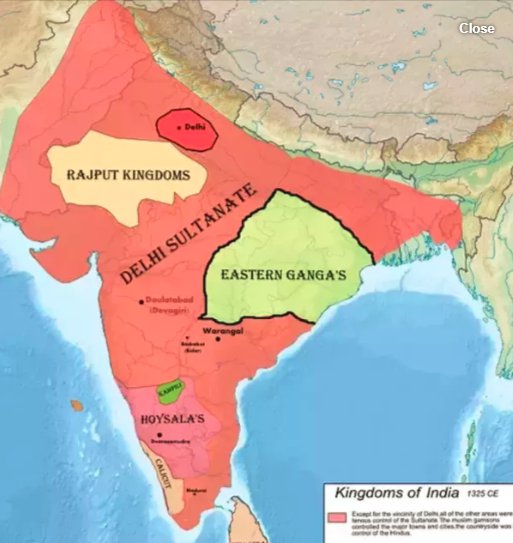
The Eastern Ganga dynasty, also known as tūrpu gāngēyulu, Purba Gangas, Rudhi Gangas, or Prachya Gangas, was a large medieval era dynasty that reigned from Kalinga from the 6th century to the 15th century. They are distinguished from the Western Gangas who ruled over Karnataka. Their territory included the whole of modern-day Odisha, major parts of north Andhra Pradesh, parts of Chhattisgarh, and some southern districts of West Bengal. The dynasty ruled in two main phases: Early Eastern Gangas (c. They are remembered as the builders of the world-renowned Jagannath Temple of Puri and Konark Sun Temple in Odisha, among other temples.
- Capital
- Dantapura, later Kalinganagara, then Kataka
- Official Languages
- Sanskrit, Odia (Old Odia from the 12th century onward)
Lore & Background
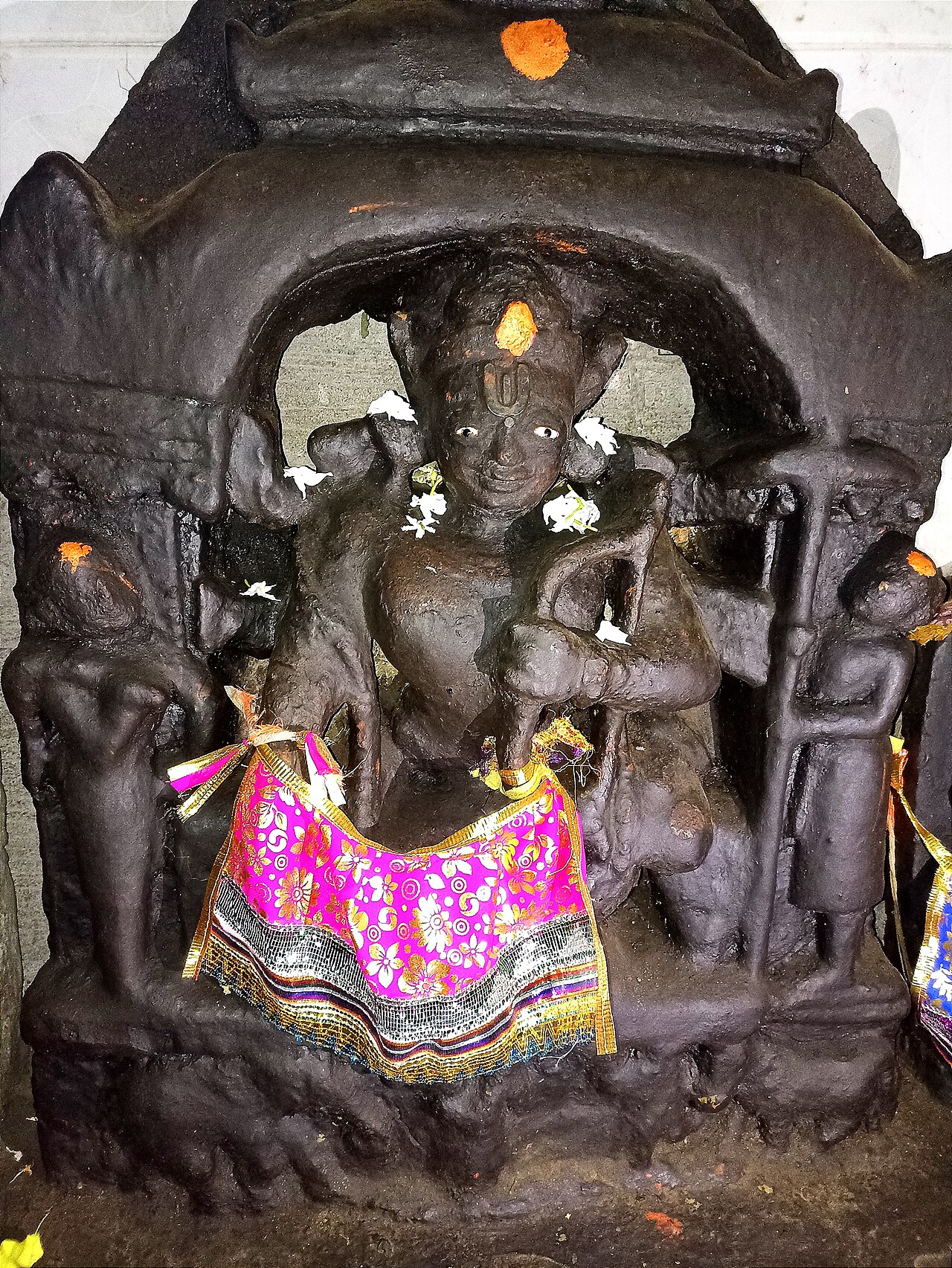
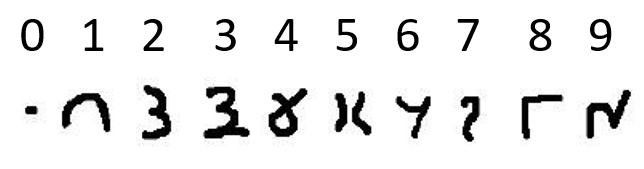
The origin of the Eastern Gangas is not clearly established. According to B. Masthanaiah, it remains uncertain. However, Percy Brown suggested that the temples of Mukhalingam predated those of Bhubaneswar and were built per Badami Chalukya Temple Architecture from Karnataka. The script used by King Indravarman I (c. Some historians cite this as evidence of a possible connection to the Western Gangas of Karnataka, but the origin remains uncertain and is not universally accepted as proven. Historian Upinder Singh notes that in the 4th century, Orissa was divided into small principalities, and the 6th century saw the rise of the Eastern Gangas in south Kalinga, probably a branch of the Western Gangas migrating from Karnataka. Copper plates of Anantavarman Chodaganga and others trace ancestry to Kamarnava I, who according to legendary origin stories came from Gangawadi province in Karnataka. The Korni copper plate states that Kamarnava I, eldest son of Virasimha, left Kolahalapura (Kolar), the capital of Gangawadivisaya, after giving up his throne to his paternal uncle. He set forth eastward with four brothers, ascended Mahendra mountain, worshipped Shiva as Gokarnaswamin, obtained the bull emblem, descended, defeated tribal king Sabaraditya, and acquired Kalinga. Historian Bhairabi Prasad Sahu states the Gangas acknowledged a Saora tribe deity on Mahendragiri as Shiva-Gokarnaswamin, their family patron. Epigraphist John Faithfull Fleet identified Gangawadi and Kolahalapuram with the Western Ganga Dynasty and Kolar. Both early and later Eastern Ganga kings had close relations with the Eastern Kadambas, who served as chieftains and governors. Most kings worshipped Gokarneswara of Mahendragiri, a deity with a Karnataka connection through the Mahabaleshwar Temple in Gokarna. Historian Dineshwar Singh lists several facts pointing to a possible relationship between the two Ganga dynasties, including marital ties with Kadambas, shared family gods, and Shaiva traditions. Despite some arguments against a relationship, the similarities suggest the founder may have had connections to Karnataka, though this remains a legendary origin story rather than confirmed history.
Reader's Guide
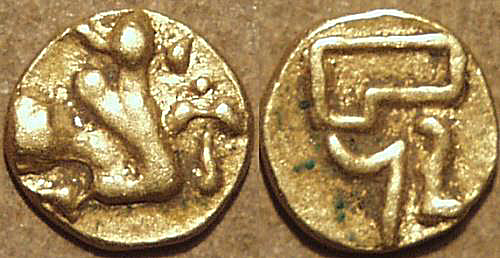
The Eastern Ganga dynasty is significant as the longest-reigning dynasty in Odisha, ruling from the 5th century to the mid 20th century. Their legacy is most visible in the grand temples they constructed, including the Jagannath Temple of Puri and the Konark Sun Temple, both world-renowned. They also built the Madhukeshwara temple at Mukhalinga, Nrusinghanath Temple at Simhachalam, and Ananta Vasudeva Temple at Bhubaneswar. The dynasty defended against constant Muslim invaders and prospered through trade and commerce, with wealth used largely for temple construction. Their currency, Ganga Fanams, was similar to that of the Cholas and Eastern Chalukyas. The rule of the main line ended under King Bhanudeva IV in the early 15th century, after which the Khemundi Ganga branch continued until the abolition of zamindari in modern India. The dynasty's origins are debated but strongly linked to the Western Gangas of Karnataka, as evidenced by script, temple architecture, and epigraphic records. Their use of Telugu and later Odia as official languages reflects their expansion northward.
Did You Know?
- The Eastern Ganga dynasty is said to be the longest reigning dynasty in Odisha.
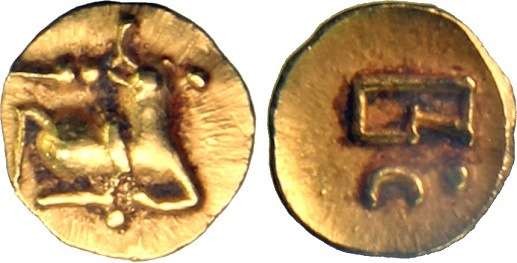
- Their currency was called Ganga Fanams, similar to those used by other South Indian kingdoms.
Roots in Karnataka: The Migration Story
The Eastern Gangas trace their lineage to the Western Ganga kingdom of Karnataka, founded around 350 CE. Multiple copper plate inscriptions, including the Korni plate of 1113 AD and the Kendupatna plate, recount how Kamarnava I, eldest son of Virasimha, relinquished his throne at Kolahalapura (Kolar) to his paternal uncle. Setting out eastward with four brothers, he climbed Mahendra mountain, worshipped Shiva as Gokarnaswamin, received the Nandi bull emblem, and defeated the local tribal ruler Sabaraditya to claim Kalinga around 498–500 CE. Architectural and epigraphic evidence strongly supports this Karnataka origin. The Madhukeshwara temple at Mukhalingam mirrors Kadamba styles, and a certain Odisha tower blends Rekha and Pidha Deul decorations first seen in Kadamba structures. The script employed by 7th-century king Indravarma matches the Telugu-Kannada script of the Badami Chalukyas. Scholars Percy Brown and Upinder Singh both endorse the migration theory, noting that 4th-century Orissa was a patchwork of small principalities before the Gangas unified the region.
A Legacy Carved in Stone: Temple Building
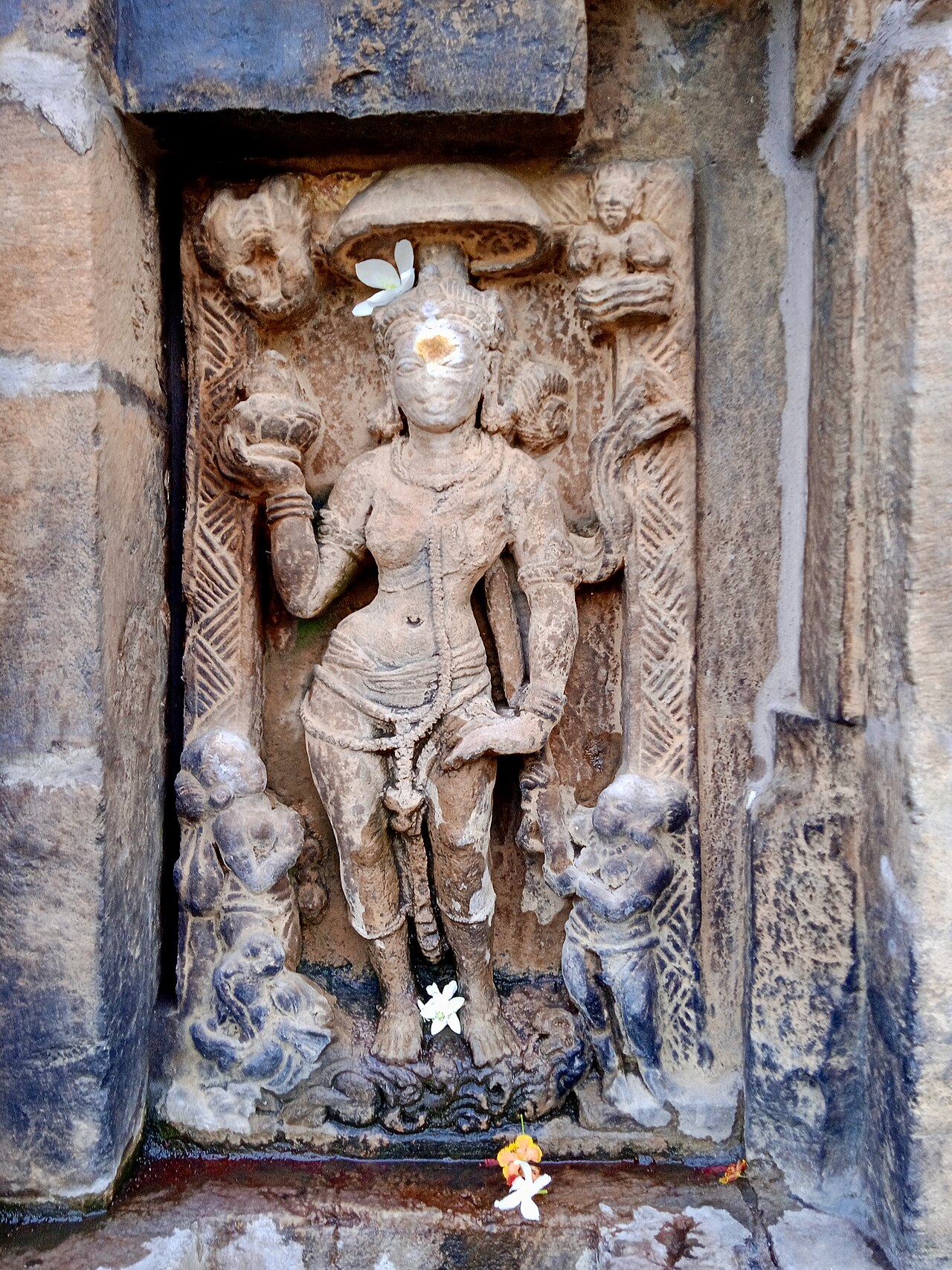
The Eastern Gangas are most celebrated for their extraordinary sacred architecture. Their crowning achievements include the world-renowned Jagannath Temple at Puri and the Konark Sun Temple, both in Odisha. Beyond these, they raised the Madhukeshwara temple at Mukhalinga, the Nrusinghanath Temple at Simhachalam in Andhra Pradesh, and the Ananta Vasudeva Temple at Bhubaneswar, among many others. This vast building program was financed by a kingdom that thrived on trade and commerce, with generated wealth channeled predominantly into temple construction. The architectural vocabulary reveals deep Deccan influences: Percy Brown observed that Mukhalingam temples predated those of Bhubaneswar and followed Badami Chalukya principles stretching back to the 4th century. The dynasty's devotion to Gokarneswara at Mahendragiri, a deity linked to the Mahabaleshwar Temple in Gokarna, Karnataka, the sole Atmalinga of Shiva, further underscores this cultural thread. The Eastern Kadambas, who served as provincial governors under the Gangas, ruled near Mahendra mountain and sustained this architectural continuity across generations.
Three Phases, Four Capitals: A Thousand-Year Reign
The Eastern Ganga dynasty governed Kalinga across three distinct chronological phases spanning nearly fifteen centuries. The Early Eastern Gangas period (493–1077) saw rulers initially seated at Dantapura in modern Srikakulam district, Andhra Pradesh, before relocating to Kalinganagara, now Mukhilinga. The Imperial Eastern Gangas era (1077–1436) represented the dynasty's zenith, with the capital shifting to Kataka, modern Cuttack in Odisha. The final phase, the Khemundi Gangas (1436–1947), continued from Paralakhemundi until the British abolition of zamindari. Their territory encompassed the entirety of present-day Odisha, significant portions of north Andhra Pradesh, parts of Chhattisgarh, and southern districts of West Bengal. Linguistically, the court transitioned from Telugu as the official language in the early medieval period to Odia in the later medieval period, following Odia's evolution from Odra Prakrit as the empire expanded northward. The dynasty's direct rule effectively concluded under King Bhanudeva IV around 1414–34, after which the Khemundi branch carried the lineage forward to the 20th century.
Shielding the Kingdom: Defense, Trade, and Enduring Identity
The Eastern Ganga kingdom endured persistent military pressure from Muslim invaders, a threat its rulers actively repelled throughout their long reign. Despite these external pressures, the dynasty maintained economic vitality through robust trade and commerce networks. Their currency, called Ganga Fanams, bore striking resemblance to the coinage of the Cholas and Eastern Chalukyas of southern India, reflecting deep economic and cultural ties to the Deccan. The prosperity generated from this commercial activity was predominantly directed toward temple construction, making the Gangas among India's most prolific architectural patrons. Recognized as the longest-reigning dynasty in Odisha's history, their lineage stretched from the 5th century to the mid-20th century. Distinguished from the Western Gangas of Karnataka by their eastern designation, they are also known by several alternate names including tūrpu gāngēyulu, Purba Gangas, Rudhi Gangas, and Prachya Gangas. Their legacy endures not only in the stone temples they raised but in the very identity of the Odisha region they shaped over more than a millennium of continuous rule.
Gallery
Frequently Asked Questions
Who is the Eastern Ganga dynasty?
The Eastern Ganga dynasty (also called Purba Gangas or Rudhi Gangas) was a medieval ruling house that governed the Kalinga region from roughly the 6th through the 15th century. They are best remembered as the royal patrons behind Odisha's iconic temple complexes.
What territory did the Eastern Gangas control?
Their domain encompassed all of present-day Odisha, large portions of northern Andhra Pradesh, parts of Chhattisgarh, and some southern districts of West Bengal. The capital moved over the centuries from Dantapura to Kalinganagara and eventually to Kataka.
How are the Eastern Gangas different from the Western Gangas?
Despite sharing a name, the two dynasties ruled entirely separate regions: the Eastern Gangas held Kalinga (modern Odisha and neighbors) while the Western Gangas governed parts of Karnataka. They were distinct political entities with no direct line of succession between them.
Why is the Eastern Ganga dynasty important?
They provided roughly nine centuries of political continuity in eastern India and presided over the construction of Odisha's most celebrated Hindu temples. Their long patronage of Sanskrit and, from the 12th century onward, Old Odia literature shaped the region's cultural identity for generations.
More in Medieval And Early Modern Asian Empires 1-23
Spotted an error? Know more?
This is a living reference — every entry is fact-audited, and reader corrections feed straight into our audit queue. Suggest an edit · See this site's audit record