
Kara-Khanid Khanate
Karluk Turkic khanate ruling Central Asia from the 9th to early 13th century.

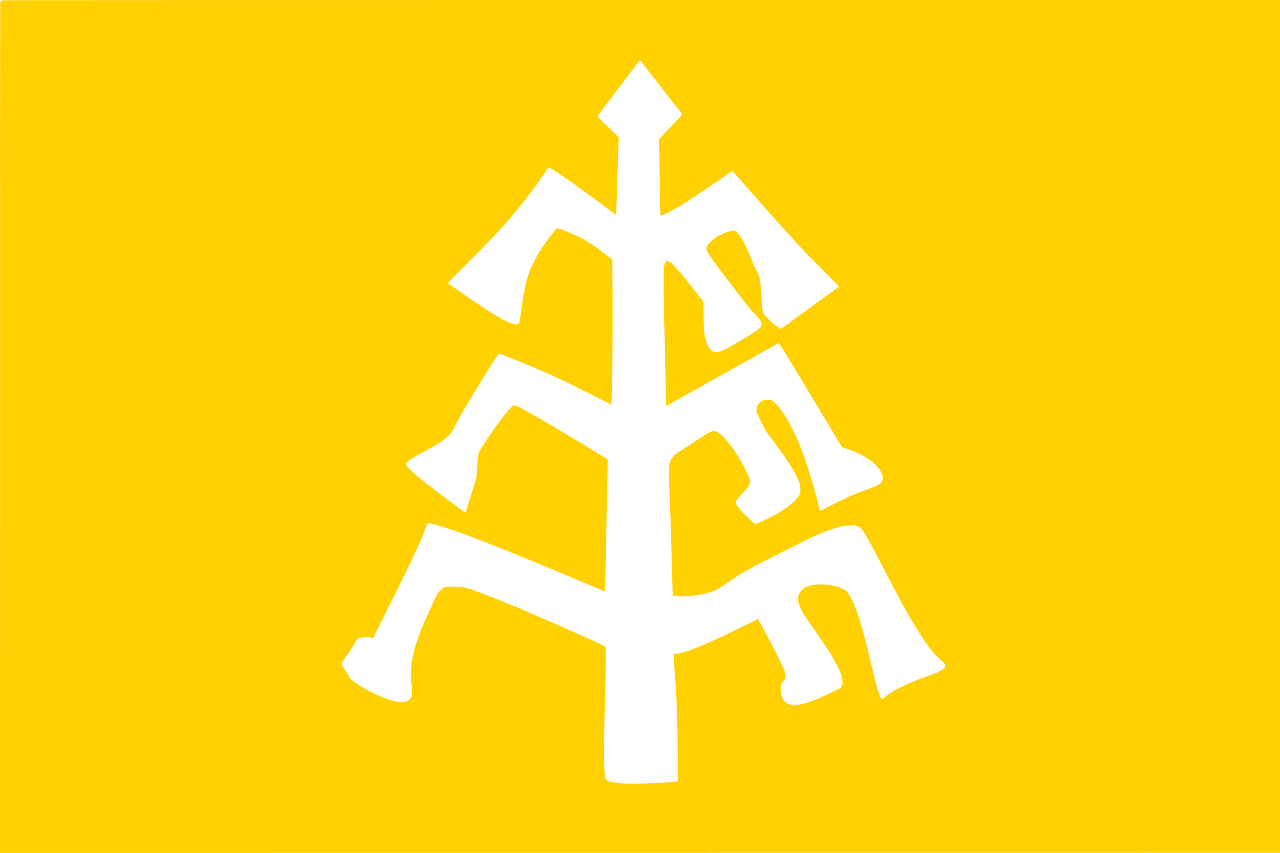
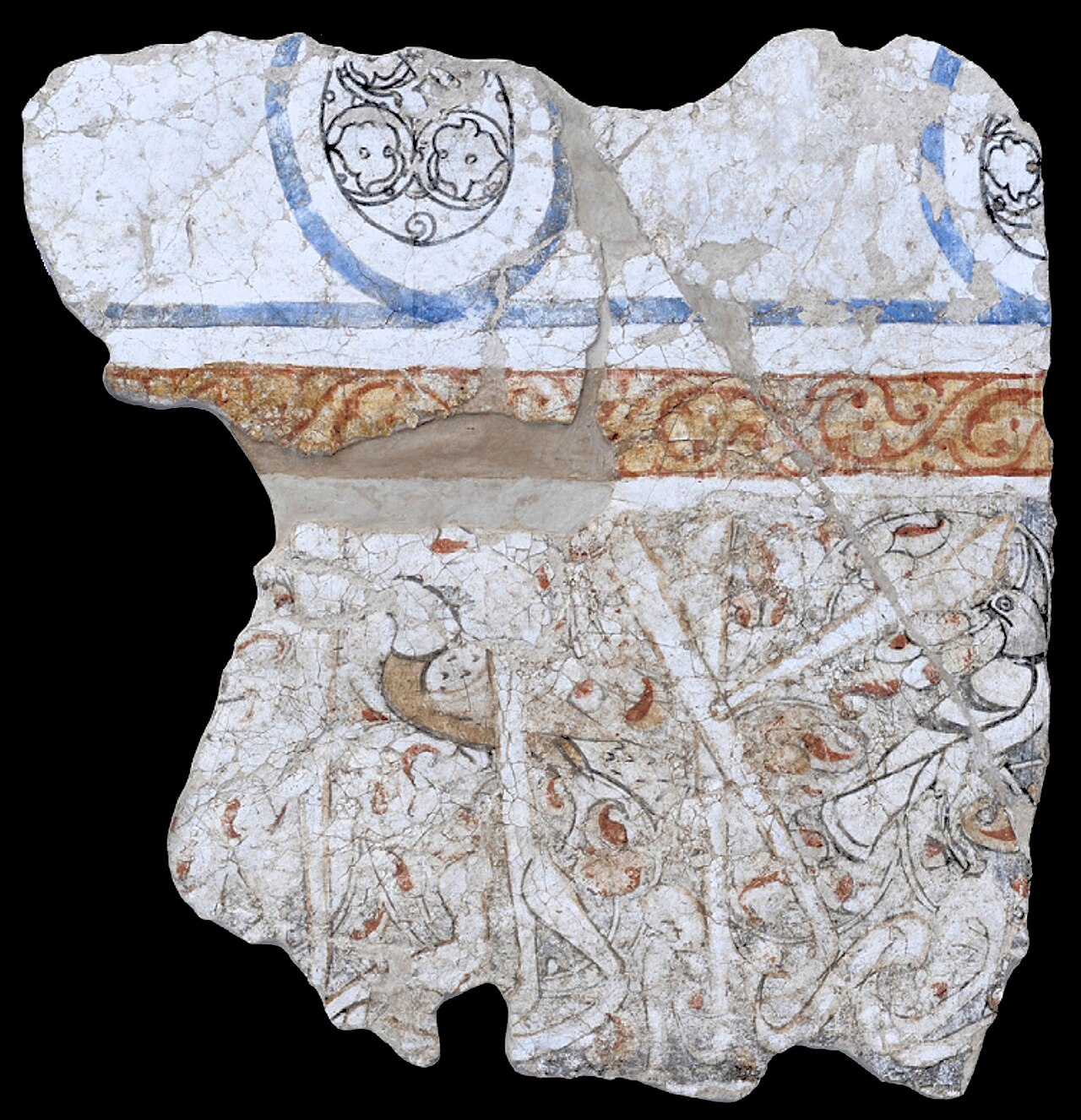
Artist circa 1200 CE Photography: Yury Karev · Public domain
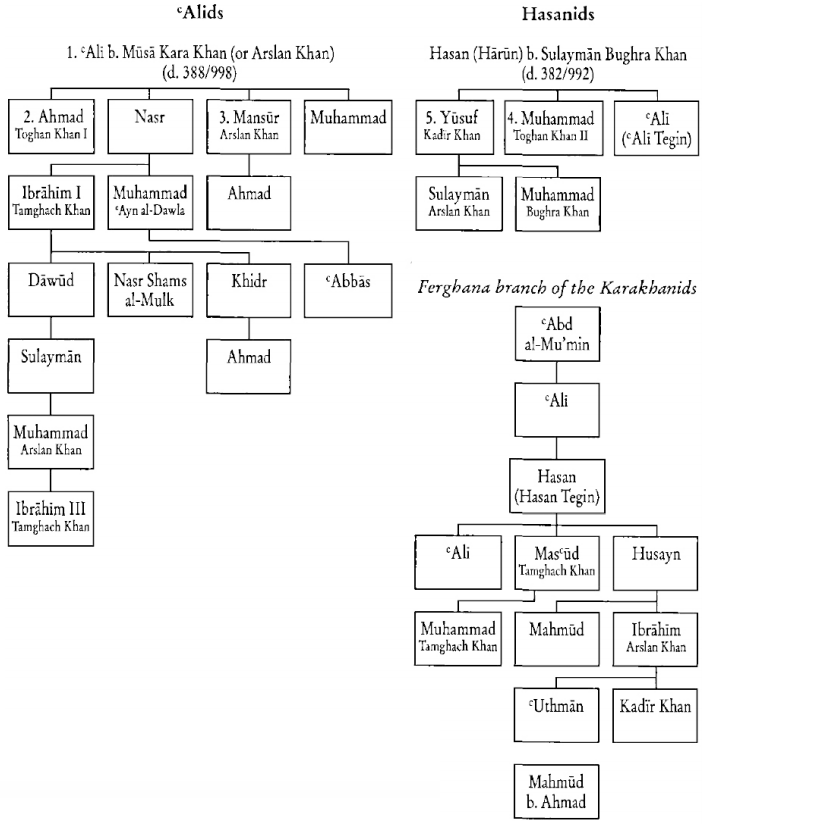
The Kara-Khanid Khanate, also known as the Karakhanids, Qarakhanids, Ilek Khanids, or the Afrasiabids, was a Karluk Turkic khanate that ruled Central Asia from the 9th to the early 13th century. The dynastic names refer to royal titles, with Kara Khagan being the most important Turkic title until the end of the dynasty. The Khanate conquered Transoxiana and ruled it independently between 999 and 1089, signaling a definitive shift from Iranic to Turkic predominance in Central Asia, while gradually assimilating Perso-Arab Muslim culture and retaining some native Turkic culture.
- Founded
- 9th century
- Ended
- 1212 (Western Khanate)
- Capital(s)
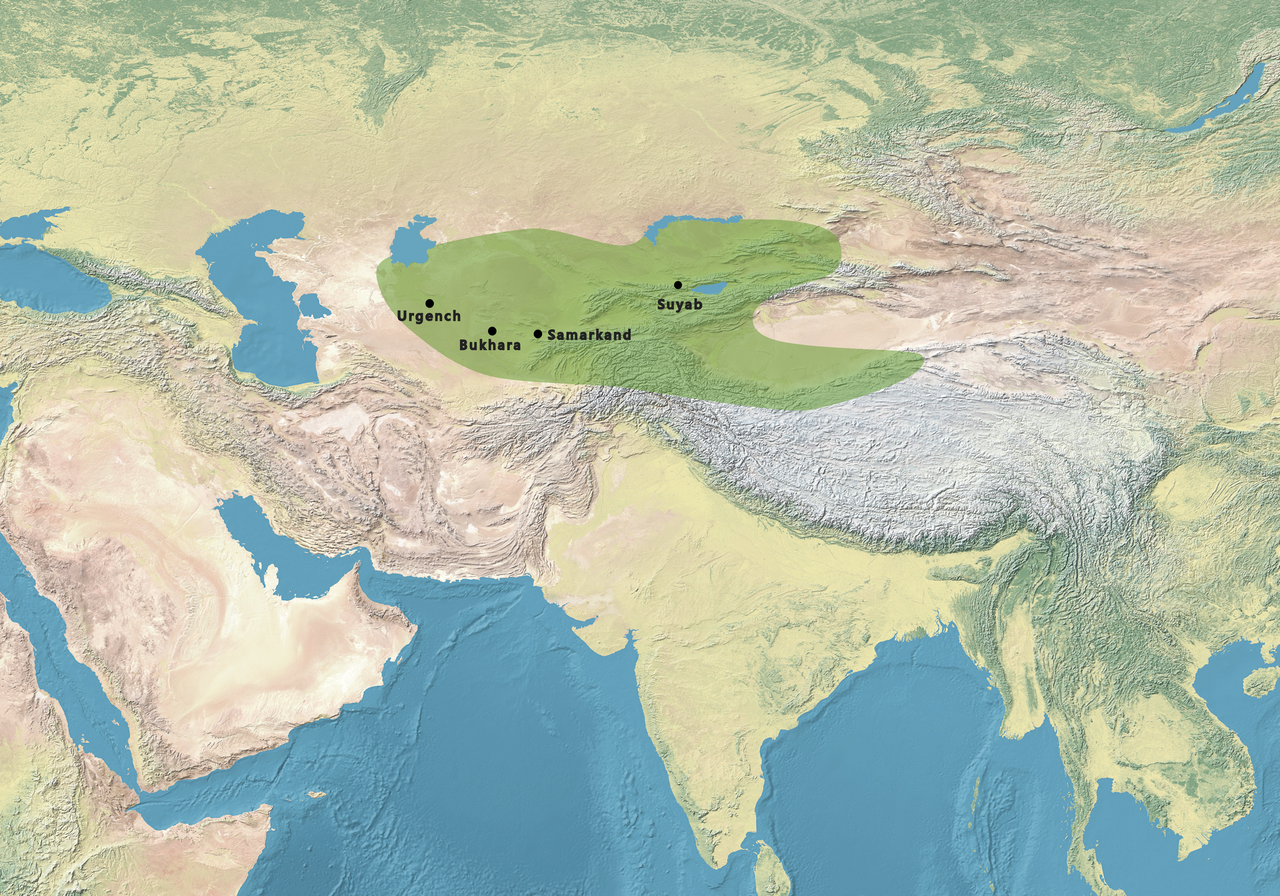
- Kashgar, Balasagun, Uzgen, Samarkand
- Religion
- Islam (converted mid-10th century), earlier Church of the East among Karluks
- Known for
- Turkic predominance in Central Asia, assimilation of Perso-Arab Muslim culture,
Lore & Background
The Kara-Khanid Khanate originated from a confederation formed in the 9th century by Karluks, Yagmas, Chigils, Tuhsi, and other peoples in Zhetysu, Western Tian Shan, and Western Xinjiang around Kashgar. The first known ruler was Bilge Kul Qadir Khan, though his tribal origin is uncertain—possibly from the Karluk Yabghus (and thus the Ashina dynasty) or from the Yagma tribe. The rulers claimed the title khagan, possibly indicating descent from the Ashina. The Chigils and Yagma tribes likely provided the ruling elite, with Eastern Khagans bearing the title Arslan Qara Khaqan and Western Khagans Bughra Qara Khaqan. The Khanate converted to Islam in the mid-10th century, with Sultan Satuq Bughra Khan traditionally cited as the first convert. They adopted Muslim names and honorifics while retaining Turkic regnal titles. The Khanate split into Eastern and Western Khanates in the 1040s. In the late 11th century, they came under Seljuk suzerainty, then under the Qara Khitai after the Battle of Qatwan in 1141. The Eastern Khanate ended in 1211, and the Western Khanate was extinguished by the Khwarazmian Empire in 1212.
Reader's Guide
The Kara-Khanid Khanate is significant as the first Turkic dynasty to establish lasting rule over Transoxiana, marking a definitive shift from Iranic to Turkic predominance in Central Asia. Their gradual assimilation of Perso-Arab Muslim culture while retaining native Turkic elements created a hybrid civilization that influenced later Turkic states. The Khanate's history is reconstructed from fragmentary and often contradictory written sources and coinage studies, reflecting the challenges of understanding nomadic empires. Their adoption of Islam and use of both Turkic and Arabic titles illustrate the cultural synthesis of the period. The split into Eastern and Western Khanates and subsequent subjugation by the Seljuks and Qara Khitai demonstrate the volatile geopolitics of medieval Central Asia. The dynasty's end in the early 13th century paved the way for the Khwarazmian and later Mongol conquests.
Did You Know?
- The term 'Karakhanid' was devised by European Orientalists in the 19th century to describe the dynasty and the Turks ruled by it.
- Mahmud al-Kashgari, a native-born Karakhanid, listed two endonyms for the dynasty: 'Khāqānī Turks' or just 'Turks'.
- In 960, according to Muslim historians Ibn Miskawaih and Ibn al-Athir, there was a mass conversion of '200,000 tents of the Turks', circumstantially identified as the Karakhanids.
- The Eastern Khagan bore the title Arslan Qara Khaqan (Arslan meaning 'lion', totem of the Chigil), and the Western Khagan bore the title Bughra Qara Khaqan (Bughra meaning 'male camel', totem of the Yagma).
- The Karluks converted to Christianity (Church of the East) at the end of the 8th century, about 15 years after establishing themselves in the Jetisu region.
Tribal Roots and the Karluk Ascendancy
The Kara-Khanid Khanate grew out of a confederation that took shape during the 9th century, uniting Karluks, Yagmas, Chigils, Tuhsi, and other groups across Zhetysu, the Western Tian Shan region of modern Kyrgyzstan, and the area around Kashgar in Western Xinjiang. The Karluks themselves had origins in the western Altai Mountains before migrating into Jetisu. In 742, they joined a Basmyl- and Uyghur-led uprising that dismantled the Second Turkic Khaganate, an event that elevated Karluk leadership from an Elteber to a yabghu — a rank implying Ashina clan membership and the heaven-mandated right to rule. After brief hostilities with the Uyghurs, the Karluks pushed westward, subduing the Turgesh by 766 and establishing their seat at Suyab on the Chu River. Notably, they embraced the Church of the East at the close of the 8th century, a remarkable act of sponsorship for that Christian community, with Nestorian church remains and Syriac-inscribed tombstones later discovered in the region. By the mid-9th century, following the Old Kirghiz destruction of the Uyghur Khaganate, the Karluk confederation inherited control of the sacred Western Türk lands and, with it, the khaganate itself.
A Dynasty of Many Names
The very label Karakhanid was a 19th-century European Orientalist coinage, yet it captures the dynasty's most important title: Qara Khan, or Qara Khaqan. In Old Turkic, qara carries the meanings of black, dark, or north, paired with khan for ruler. Arabic Muslim writers preferred al-Khaqaniya, meaning That of the Khaqans, or the more descriptive al Muluk al-Khaniyya al-Atrak, the Khanal kings of the Turks. Persian sources frequently invoked Al-i Afrasiyab, the House of Afrasiab, linking the rulers to the legendary pre-Islamic king of Transoxania — a figure Mahmud al-Kashgari, a native-born Karakhanid scholar, identified with the Turkic king Alp Er Tunga. Kashgari's treatise Dīwān Lughāt al-Turk also records the endonyms Khāqānī Turks or simply Turks. Persian texts additionally used Ilek Khanids or Ilak Khanids, while Chinese sources rendered the name as Kalahan, Heihan, meaning Black Khan, or Dashi, a broad term for Arabs and Muslims generally. This web of names reflects the multi-lingual, multi-cultural world in which the dynasty operated.
Conquest, Assimilation, and Fragmentation
The Kara-Khanids' most consequential military achievement was their conquest of Transoxiana, which they governed independently from 999 to 1089. Their arrival marked a definitive turning point: the region's political center of gravity shifted from Iranic to Turkic hands. Yet the conquerors did not remain culturally static. Over time, the dynasty absorbed much of the surrounding Perso-Arab Muslim culture while preserving elements of its native Turkic heritage, creating a hybrid identity that distinguished it from both its nomadic past and its sedentary neighbors. Internal cohesion, however, proved fragile. In the 1040s the khanate fractured into Eastern and Western branches, a division that weakened its collective power. By the late 11th century, both halves fell under the suzerainty of the Seljuk Empire. The Seljuk overlordship itself was short-lived: the Qara Khitai, the Western Liao dynasty, defeated the Seljuks at the Battle of Qatwan in 1141 and assumed dominance. The Eastern Khanate survived until 1211, while the Western Khanate was extinguished the following year by the expanding Khwarazmian Empire, ending a dynasty that had ruled for roughly three centuries.
Capitals and the Fragile Record
The Kara-Khanid Khanate maintained its administrative seats across a wide swath of Central Asia, with capitals including Kashgar, Balasagun, Uzgen, and Samarkand. This geographic spread underscores the vast territory the dynasty controlled at various points, stretching from the Western Tian Shan region through Transoxiana. Yet reconstructing the political and cultural life of these centers remains an exceptionally difficult task. The historical record for the Kara-Khanids is notably fragmentary and often internally contradictory, drawing on a patchwork of written sources from multiple linguistic traditions — Arabic, Persian, Chinese, and Turkic — none of which provides a complete or fully reliable picture. Scholars have therefore supplemented textual evidence with numismatic studies, analyzing the dynasty's coinage to trace political boundaries, economic connections, and chronological sequences that the written sources leave ambiguous. The result is a history that remains partially speculative, with key questions — such as the precise tribal lineage of the first Kara-Khan, Bilge Kul Qadir — still debated among historians.
Gallery
Frequently Asked Questions
What was the Kara-Khanid Khanate?
A Karluk Turkic dynasty that governed parts of Central Asia from the 9th century through the early 13th, known by several names including Karakhanids, Ilek Khanids, and Afrasiabids depending on the royal line.
When did the Karakhanids adopt Islam?
The dynasty embraced Islam in the mid-10th century, moving away from earlier Church of the East traditions, and from then on gradually wove Perso-Arab Muslim cultural practices into their existing Turkic identity.
How did the Kara-Khanid Khanate split into two?
During the 1040s the realm fractured into separate Eastern and Western branches; the Western Khanate ultimately collapsed in 1212, ending that line of the dynasty.
Why does the Kara-Khanid Khanate matter in Central Asian history?
Their independent control of Transoxiana between 999 and 1089 represented the definitive shift from Iranian to Turkic political supremacy in the region.
What were the main capitals of the Kara-Khanid Khanate?
The dynasty cycled through several seats of power across its territory, including Kashgar, Balasagun, Uzgen, and Samarkand, depending on the period and which branch was in control.
More in Medieval And Early Modern Asian Empires 1-23
Related in Medieval And Early Modern Asian Empires
Links follow this subject's own source article.
Spotted an error? Know more?
This is a living reference — every entry is fact-audited, and reader corrections feed straight into our audit queue. Suggest an edit · See this site's audit record