
Kazakh Khanate
Nomadic state that emerged from the fragmentation of the Golden Horde.

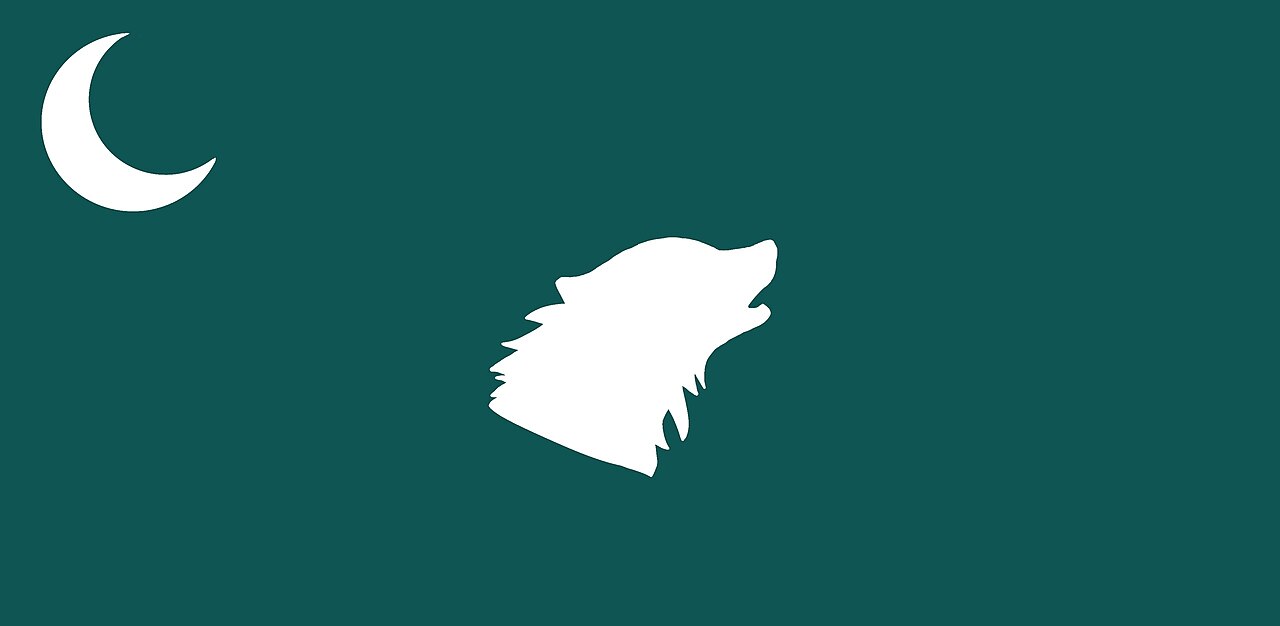
Акылбек Агыс · CC BY-SA 4.0
The Kazakh Khanate, also known as the Kazakh Khanates or Qazaq Khanate, was a nomadic state in Central Asia that existed from c. 1465 to the early 19th century. It emerged after the fragmentation of the Golden Horde. By the end of the 15th century and throughout the 16th century, the Kazakhs consolidated their political power and established control over the vast steppe territories east of the Caspian Sea and north of the Aral Sea, extending as far as the upper reaches of the Irtysh River and the western foothills of the Altai Mountains. A widely held view is that the reign of Kasym Khan marked the beginning of an independent Kazakh state.
- Established
- c. 1465 (disputed; some sources cite 1470–1471)
- Disestablished
- Early 19th century (khanate abolished in Russian Empire by 1822–1824)
- Region
- Central Asia (steppes east of Caspian Sea, north of Aral Sea, to Irtysh River an
- Known for
- First nation-state created by the modern Kazakh ethnic group; longest-lasting po
- Key rulers
- Burunduk Khan, Kasym Khan, Tauke Khan, Ablai Khan
Verified Timeline
Lore & Background
The Kazakh Khanate formed after the disintegration of the Golden Horde (Ulus of Jochi). During the reigns of Burunduk Khan and Kasym Khan, the Kazakhs came to control nearly the entire steppe region. Under Kasym Khan's rule, Kazakh authority extended from the territory of present-day southeastern Kazakhstan to the Ural Mountains. In the 17th–18th centuries, the Khanate experienced a period of sharp decline, and centralized authority among the Kazakhs weakened or effectively disappeared amid the rise of numerous small local rulers. After the death of Tauke Khan, the khanate, in effect, split into three independent khanates. The Kazakh Khanate was the first chronologically established nation-state in Central Asia created by the modern ethnic group itself rather than its predecessors or historical ancestors, and it existed until the early 19th century, longer than other post-Jochid states.
Reader's Guide
The Kazakh Khanate's significance lies in its role as the first nation-state in Central Asia created by the modern ethnic Kazakhs themselves. In the 17th century, three separate orda (horde), or zhuz, emerged: the Senior (Greater), Middle (Central), and Junior, each with its own territory for nomadic movements. After the death of Khan Tauke in 1715 or 1718, the zhuzes essentially became independent khanates. Ablai Khan was able to reunite all Kazakhs and skillfully navigated his politics between Russia and China, but after his death in 1781, the khanate once again fractured into three zhuzs, whose khans were appointed by the Russian government. In 1822–1824, the institution of the Khanate in the Russian Empire was abolished by the Statutes concerning the Siberian and Orenburg Kazakhs. The last attempt to restore khan's authority in the territory of the Kazakh zhuzs was made by Sultan Kenesary Qasymuly, whose rebellion against Russian authorities began in 1837. He declared himself khan and waged armed struggle with varying success until his death in 1847.
Did You Know?
- In Russian sources of the 15th century, the Kazakh Khanate was called Kazatskaya Orda, Kazatskaya Horde, or Kazachya Orda.
- The name 'Kazakhstan' (Persian: قزاقستان) is attested in Eastern sources.
- In 16th-century Mongolian sources, the Jochid Ulus and the Kazakhs are referred to by the term Togmak or Toγ Maγ.
- Central Asian authors of the 15th–16th centuries collectively called the Kazakhs, the Shaybanids, and the Nogais Uzbeks, in honor of the Golden Horde khan Özbeg Khan.
- The last attempt to restore khan's authority was the rebellion of Sultan Kenesary Qasymuly, which began in 1837 and ended with his death in 1847.
Origins and Territorial Consolidation
The Kazakh Khanate took shape in the political vacuum left by the collapse of the Golden Horde, the vast Jochid domain that had once stretched across the northern steppe. By the close of the fifteenth century and well into the sixteenth, Kazakh leaders had woven together scattered tribal groups into a coherent political entity, asserting authority over an enormous swath of grassland east of the Caspian Sea and north of the Aral Sea. Their reach pushed as far as the upper Irtysh River and the western slopes of the Altai Mountains. Under the successive reigns of Burunduk Khan and Kasym Khan, this consolidation reached its zenith: the Kazakhs commanded nearly the entire steppe belt, with Kasym's authority stretching from what is now southeastern Kazakhstan all the way to the Ural Mountains. Historians widely regard Kasym's rule as the true birth of an independent Kazakh state. What makes this polity remarkable is that it was the first nation-state in Central Asia to be founded by the modern ethnic group itself, rather than by earlier dynastic ancestors, and it endured until the early nineteenth century—outlasting every other post-Jochid successor state.
A Mosaic of Names Across Cultures
No single label captured the Kazakh Khanate in the eyes of the outside world. Eastern chroniclers of the fifteenth and sixteenth centuries preferred geographic or dynastic designations—Desht-i-Kipchak, Tatar Ulus, or Uzbek Ulus—reflecting the fact that the Golden Horde itself had been named for its inhabitants. In those same Eastern sources one also finds Ulus of the Kazakhs, Kazakh El-Ulus, the yurt of Urus Khan, and even Barak's tsarev Kazatck yurt. Russian writers of the fifteenth century used Kazatskaya Orda or Kazachya Orda, while by the eighteenth century the term Kirgiz-Kaisak Horde had taken hold. Sixteenth-century Mongolian texts referred to the Jochid Ulus and the Kazakhs as Togmak or Toγ Maγ. European chroniclers offered their own variants: Kozaksche Orda, Kassachy Horda, Kasaki Orda, and Casatschia Orda. Central Asian authors of the period lumped the Kazakhs together with the Shaybanids and the Nogais under the collective name Uzbeks, a nod to the Golden Horde khan Özbeg Khan, while European writers simply called the people of the Ulus of Jochi Tatars. The very name Kazakhstan, in its Persian form, is also attested in the record.
Fragmentation into the Three Zhuzes
The seventeenth and eighteenth centuries brought a profound unraveling of Kazakh political unity. Centralized khanly authority eroded, and in its place a patchwork of small local rulers emerged, each commanding only a fragment of the former steppe domain. The decisive break came after the death of Tauke Khan, whether in 1715 or 1718, when the khanate effectively shattered into three independent entities. These three orda, or zhuzes—the Senior or Greater, the Middle or Central, and the Junior—each carved out its own territory for seasonal nomadic movement, and from that point the singular history of the Kazakh Khanate gave way to the parallel histories of the Kazakh Khanates. For a time, Ablai Khan succeeded in reuniting the scattered Kazakh communities under a single political vision, and he displayed remarkable diplomatic skill in balancing the competing pressures of the Russian and Chinese empires. Yet his death in 1781 undid that achievement. The three zhuzes fractured once more, and their khans were now appointed not by Kazakh tradition but by the Russian government, marking a fundamental shift in who held sovereign authority over the steppe.
Abolition, Uprising, and the Final Struggle
The end of the Kazakh Khanate came not through conquest but through bureaucratic decree. Between 1822 and 1824, the Russian Empire formally abolished the institution of the khanate through the Statutes concerning the Siberian and Orenburg Kazakhs, stripping the khans of their traditional authority. The move provoked immediate resistance: Sultan Kasym led an uprising from 1824 to 1827 in a desperate bid to restore khanly power. The final and most sustained challenge came from Sultan Kenesary Qasymuly, who in 1837 declared himself khan and launched an armed rebellion against Russian authorities. His campaign of guerrilla warfare against the imperial garrisons continued with varying degrees of success for a full decade, ending only with his death in 1847. Kenesary's struggle stands as the last serious attempt to reassert the old khanly order across the Kazakh zhuzes. Looking back, the Kazakh Khanate's significance endures: it was the first chronologically established nation-state in Central Asia to be created by the modern ethnic group itself rather than by its historical predecessors, and it persisted until the early nineteenth century, outlasting every other post-Jochid state that had emerged from the Golden Horde's dissolution.
Gallery





Frequently Asked Questions
What is the Kazakh Khanate?
The Kazakh Khanate was a nomadic political entity in Central Asia that arose from the breakup of the Golden Horde. It is recognized as the first state in the region built by the modern Kazakh ethnic group as a unified political community.
When did the Kazakh Khanate exist?
The khanate was established around 1465, though some sources place the founding in 1470–1471, and it endured until the early 19th century when it was formally absorbed into the Russian Empire between 1822 and 1824.
Why is the Kazakh Khanate considered important?
It holds the distinction of being the earliest nation-state in Central Asia founded by the very ethnic group that would become modern Kazakhstan. It also represents the longest-lasting political structure to emerge after the dissolution of the Jochid Ulus.
Who were the most notable rulers of the Kazakh Khanate?
Key figures include Burunduk Khan, Kasym Khan, Tauke Khan, and Ablai Khan, each of whom played a major role in consolidating or expanding Kazakh political authority across the vast steppe territories.
How did the Kazakh Khanate come to an end?
The khanate was gradually absorbed into the Russian Empire during the 19th century, with its formal abolition occurring between 1822 and 1824. This marked the close of nearly four centuries of independent Kazakh statehood.
More in Medieval And Early Modern Asian Empires 1-23
Spotted an error? Know more?
This is a living reference — every entry is fact-audited, and reader corrections feed straight into our audit queue. Suggest an edit · See this site's audit record