
Hindu Shahis
Dynasty ruling Kabulistan, Gandhara and Punjab from 822 to 1026 CE.

SpeakingArch · CC BY-SA 4.0
The Hindu Shahis, also referred to as the Kabul Shahis and Odi Shahis, were a dynasty that ruled Kabulistan, Gandhara and Punjab between 822 CE and 1026 CE, succeeding the Turk Shahis. The dynasty was founded by Kalarapāla in c. 822 CE after overthrowing Lagaturman, the last Turk Shahi king. Their history is known primarily from chronicles of neighboring powers, as no literature from their own courts has survived.
- Founded
- c. 822 CE
- Founder
- Kalarapāla (Kallar)
- Capital
- Udabhanda (Hund)
- Region
- Kabulistan, Gandhara, Punjab
- End
- 1026 CE
- Known for
- Resistance against Ghaznavids, silver jital coinage, Brahmanical motifs
Verified Timeline
Lore & Background
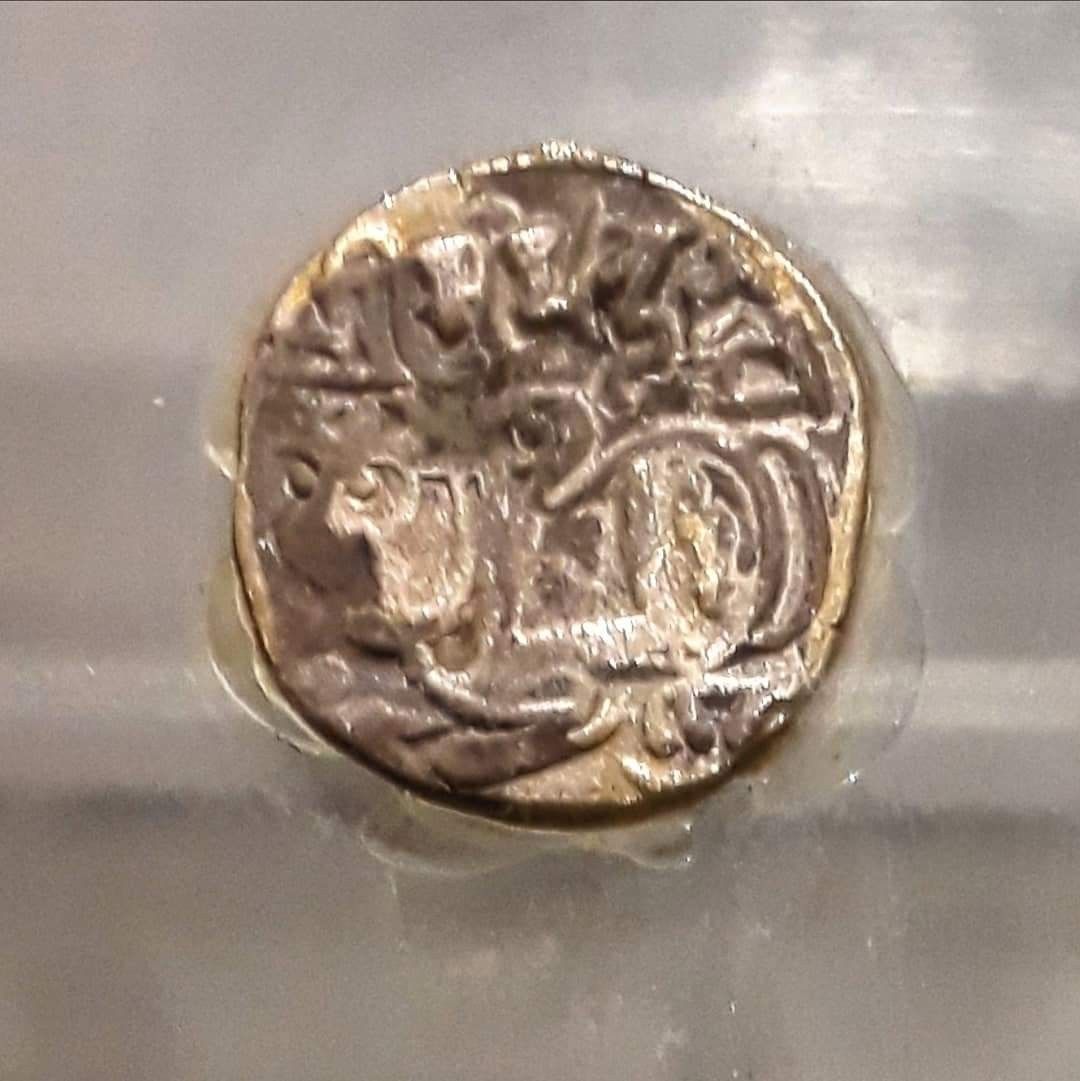
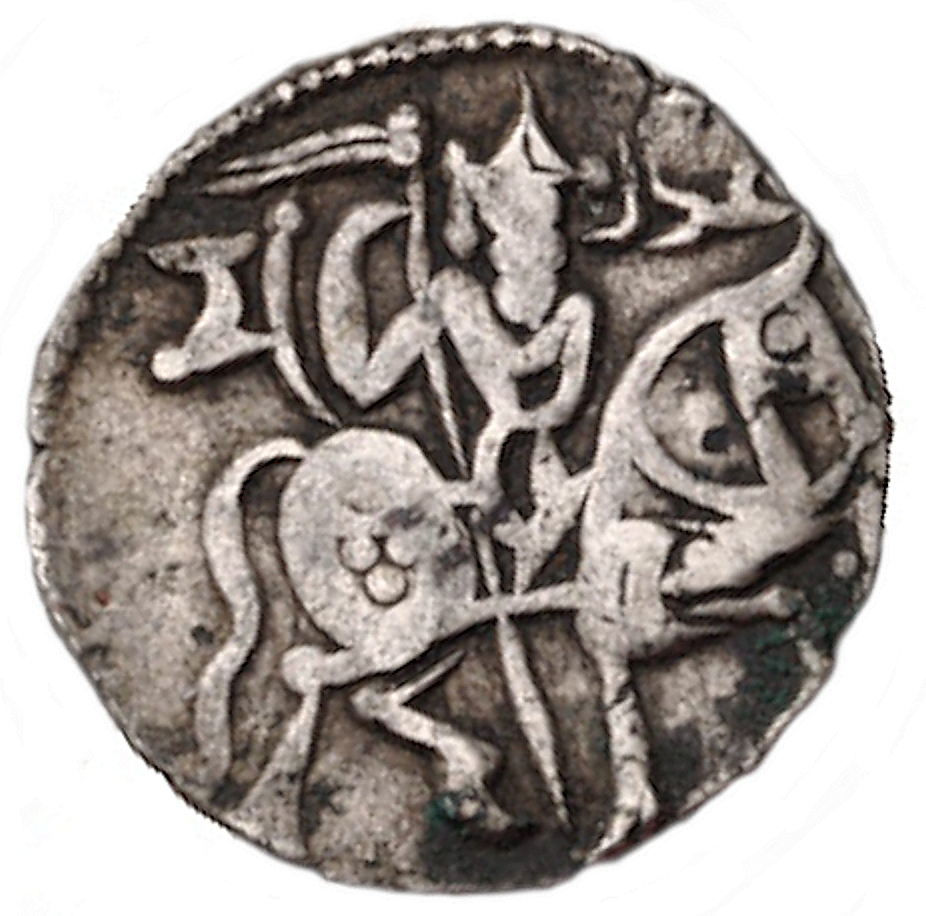
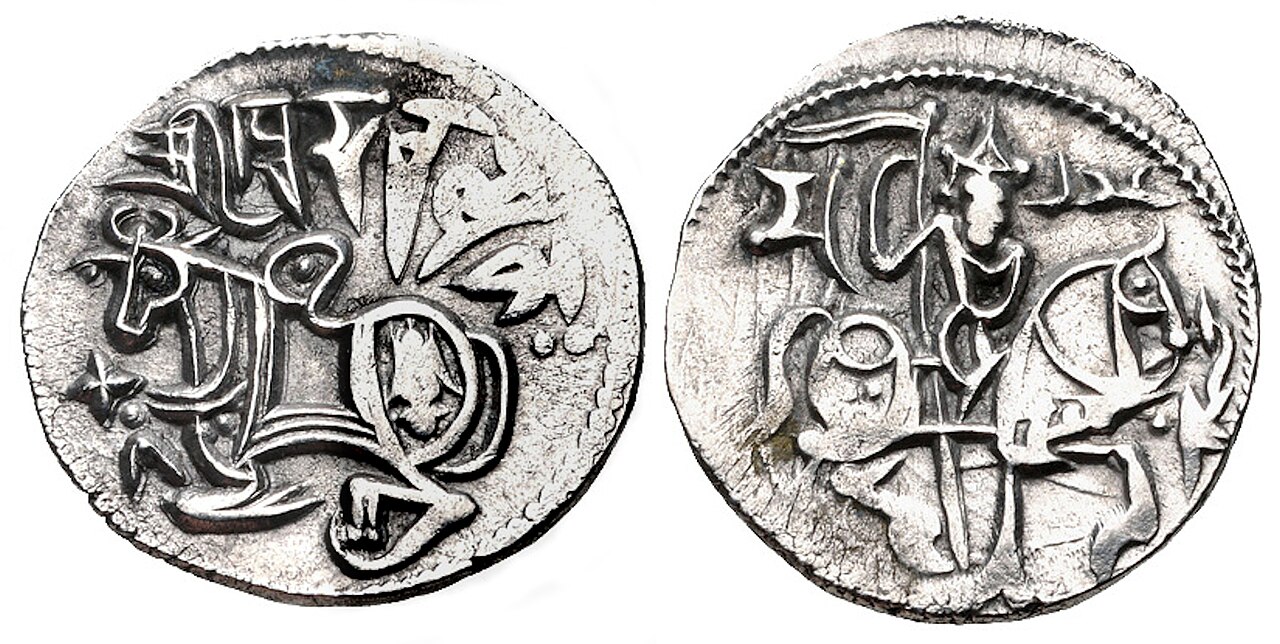
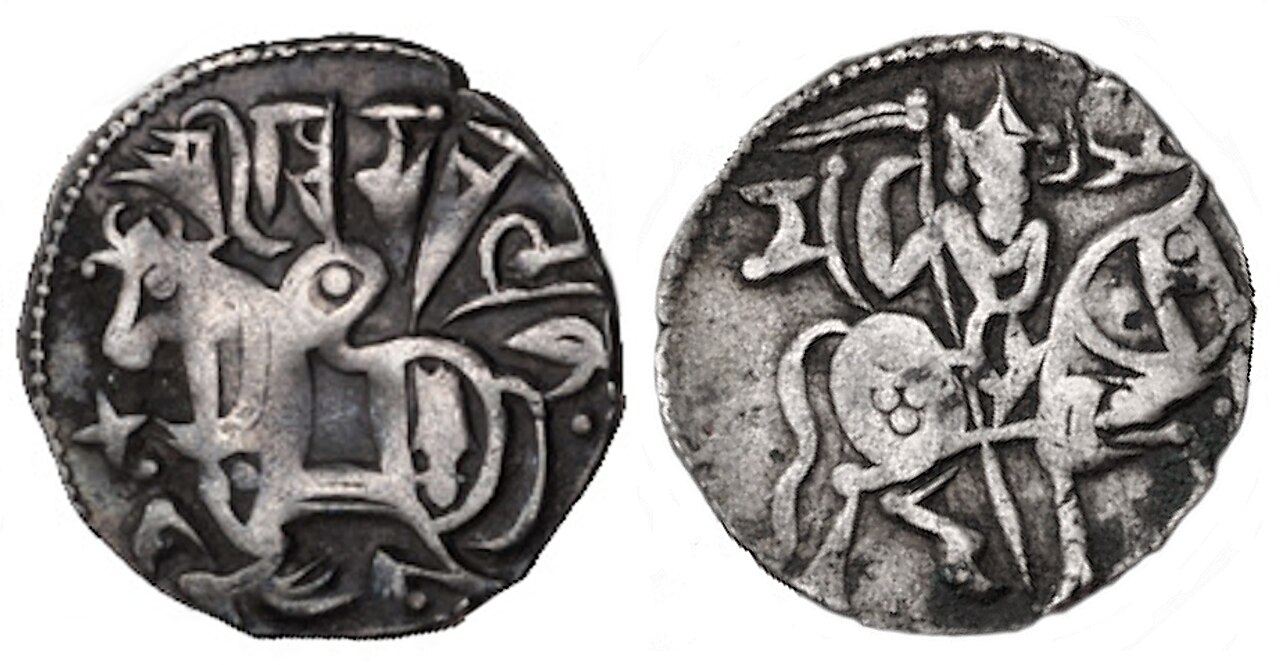
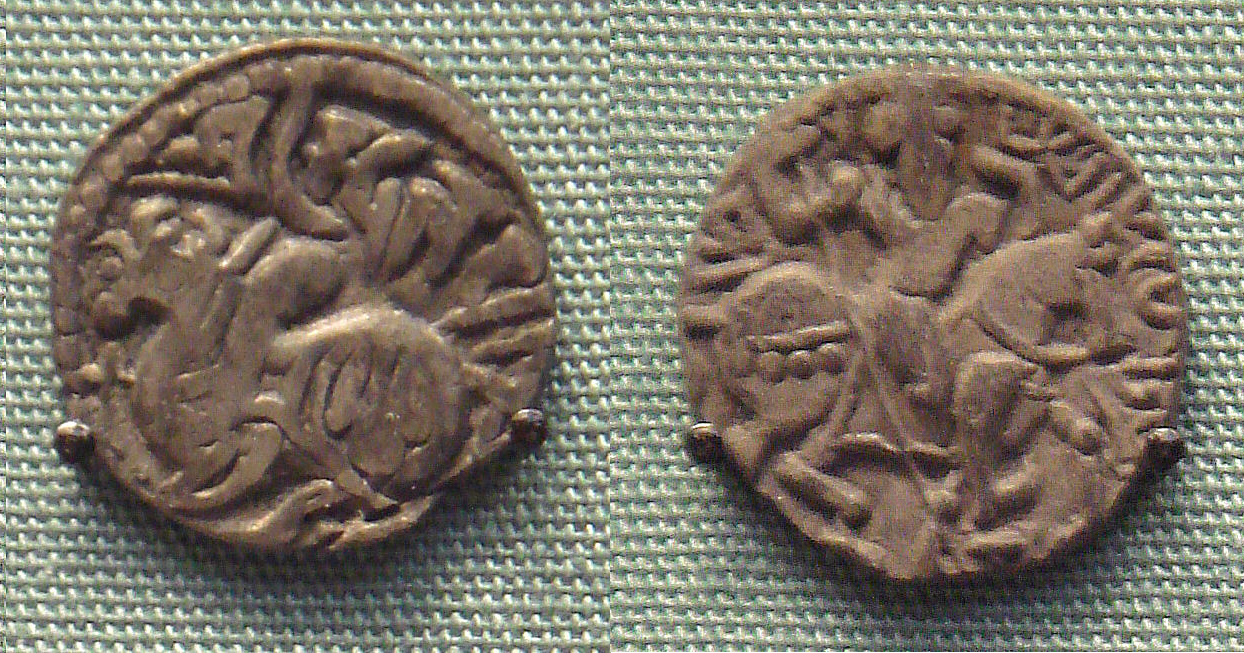
The Hindu Shahi dynasty was founded by Kalarapāla, a Brahmin minister who deposed the last Turk Shahi ruler Lagaturman around 822 CE. His successor Samantadeva lost Kabul to the Saffarid dynasty, but Lalliya soon re-conquered it and subdued Zabulistan, also fighting the Utpala dynasty. Bhimadeva's reign saw conflict with the Samanids, while Jayapala struggled against the Ghaznavids, losing territories west of the Indus in 1001 CE. The dynasty continued resisting the Ghaznavids for over two decades but fell in 1026 CE. The name 'Hindu Shahis' derives from al-Biruni's phrase 'al-šāhiyya al-hindiyya', translated by Eduard Sachau and Aurel Stein. Other names include Kabul Shahi, Odi Shahi, and Brahman Shahi. Their origins are disputed: al-Biruni described them as Brahmans, while Kalhana's Rajatarangini suggests Kshatriya status. Coins of Bhimadeva bear the legend 'brāhmaṇa śāhi' and Brahmanical motifs. Their silver jital coinage, first discovered by James Tod in 1822, shows progressive debasement and features a horseman on the reverse and a bull on the obverse, a motif dating back to Indo-Scythian ruler Azes I. Inscriptions, mostly in Sharda script, are scarce and often damaged; a samvat system beginning in 822 CE is assumed to have been initiated by Kallar.
Reader's Guide
The Hindu Shahis are significant as the last major non-Muslim dynasty in the eastern regions of the former Kushan and Hephthalite territories, bridging the Turk Shahi and Ghaznavid periods. Their coinage, widely circulated from Sindh to northeastern Europe, provides key evidence for economic and artistic continuity. The dynasty's resistance against the Ghaznavids delayed Islamic expansion into the Indian subcontinent for over two decades. Their legacy is complicated by scarce archaeological remains and disputed origins, with modern scholarship divided between Brahman, Kshatriya, Gakhar, and Odi theories. The Italian Archaeological Mission in Pakistan and later excavations at sites like Kafir-kot and Barikot have begun to uncover fragmentary evidence, but much remains poorly understood. The Hindu Shahis exemplify the challenges of reconstructing medieval South Asian history from external chronicles and material culture alone.
Did You Know?
- The name 'Hindu Shahis' comes from al-Biruni's phrase 'al-šāhiyya al-hindiyya', translated by Eduard Sachau in 1910.
- Their silver jital coinage was first 'discovered' by British orientalist James Tod in 1822.
- The bull and horseman motif on their coins goes back to the Indo-Scythian ruler Azes I.
- The Zalamkot Bilingual Inscription gives the beginning date of the Shahi era as 822 CE.
- Al-Biruni described the Hindu Shahis as Brahmans, while Kalhana's Rajatarangini suggests they were Kshatriyas.
Dynastic Rise and Prolonged Resistance
The Hindu Shahi dynasty emerged around 822 CE when Kalarapāla displaced Lagaturman, the final ruler of the Turk Shahi line, establishing a new political order across Kabulistan, Gandhara, and Punjab. The early years were marked by territorial volatility: Samantadeva ceded Kabul to the Saffarid power, yet his successor Lalliya reclaimed the city and extended control into Zabulistan while also clashing with the Utpala dynasty. Later rulers faced escalating external threats—Bhimadeva confronted the Samanids, and Jayapala found himself locked in a grueling struggle against the newly emerged Ghaznavid state. Jayapala's defeat in 1001 CE cost the dynasty all lands west of the Indus, yet the Shahis refused to capitulate. For more than two decades they mounted continued resistance against Ghaznavid expansion, a stubborn defense that ultimately proved futile. The dynasty's final chapter closed in 1026 CE, ending two centuries of rule over a vast swath of the Indian subcontinent's northwest.
Naming, Origins, and the Question of Caste
The very label "Hindu Shahi" is a product of medieval Arabic scholarship. Al-Biruni, writing around 1030 CE, distinguished the Turk Shahis of Kabul from the "Shahi of al-Hind," a geographic reference rooted in the Sanskrit word sindhu, the Indus River. This phrasing was carried into English through Eduard Sachau's 1910 translation and Aurel Stein's 1900 rendering of Kalhana's Rajatarangini, and it stuck in subsequent academic usage. Alternative designations include Kabul Shahi, Odi or Udi Shahi, Brahman Shahi, and Late Shahis. The dynasty's social origins remain contested: al-Biruni called them Brahmans, a claim echoed by the legend brahmana shahi on Bhimadeva's gold coins, while Kalhana and most other sources identify them as Kshatriyas. Abdur Rahman's 2002 work leaned toward an Odi origin linked to Oddiyana, drawing on local folklore in Hund and the Senvarma inscription, while earlier readings of al-Masudi's reference to the "Rahbut" kings pointed to Gakhar or Chhachh tribal roots.
A Fragmentary Historical Record
Unlike their Turk Shahi predecessors, the Hindu Shahis left no surviving court literature, forcing modern scholars to reconstruct their history from the accounts of neighboring powers. From Kashmir, Kalhana's Rajatarangini, composed in 1148–1149, stands as the sole extant narrative. From the Ghaznavid side, a cluster of Persian and Arabic chronicles—al-Biruni's Tārīkh al-Hind, Bayhaqi's Tārīkh-i Bayhaqī, Gardezi's Zayn al-Akhbar, and al-Utbi's Kitab-i Yamini—offer external perspectives. Epigraphic evidence is thin and often damaged; most inscriptions were found in Udabhanda, written exclusively in the Sharda script, and many were repurposed as grinding stones in the medieval period, leaving them only partially legible. A samvat calendar referenced in these texts has its zero year anchored to 822 CE by the Zalamkot Bilingual Inscription, a date scholars associate with Kalarapāla's coronation. Copper land grants, which would have enriched the record, remain entirely undocumented.
Coins, Forts, and the Archaeological Puzzle
The Hindu Shahis' silver jital coins, first identified by British orientalist James Tod in 1822, circulated from Sindh as far as northeastern Europe, testifying to the dynasty's commercial reach. These coins display a characteristic pairing—a bull on the obverse and a horseman on the reverse—motifs traceable to the Indo-Scythian ruler Azes I. Over time the silver content steadily declined, a debasement pattern that numismatists exploit to sequence the issues. Early pieces bear only generic titles rather than personal names, creating a mismatch with the rulers known from literary sources. Archaeologically, the dynasty's material footprint remains poorly understood. Ahmad Hasan Dani tentatively attributed ruined forts at Pehur, Kamala, and Bata to the Shahis without detailed justification. Hund in the Swat Valley stands as the principal site, while excavations at Barikot revealed a Buddhist monastery later converted into a Hindu Shahi fort. Systematic surveys by the Italian Archaeological Mission and joint American-Pakistani teams in the 1990s have begun to map the broader landscape, yet the overall picture stays fragmentary.
Gallery

Frequently Asked Questions
Who are the Hindu Shahis?
The Hindu Shahis, also called the Kabul Shahis or Odi Shahis, were a dynasty that governed Kabulistan, Gandhara, and Punjab from roughly 822 to 1026 CE. They succeeded the Turk Shahis and are best remembered for their prolonged military stand against the Ghaznavid conquests.
Who founded the Hindu Shahi dynasty and how did they seize power?
Kalarapāla, often referred to as Kallar, is credited with establishing the dynasty around 822 CE after overthrowing Lagaturman, the final Turk Shahi ruler. Because no court literature from the Shahis themselves has survived, this account is drawn from the chronicles of neighboring powers.
Where was the Hindu Shahi capital located?
Their seat of power was at Udabhanda, commonly known as Hund, from which they administered their territories spanning Kabulistan, Gandhara, and Punjab.
What are the Hindu Shahis most famous for?
They are widely noted for their fierce resistance against the expanding Ghaznavid Empire, their distinctive silver jital coinage, and the prominent use of Brahmanical religious motifs in their art and inscriptions.
How did the Hindu Shahi dynasty come to an end?
The dynasty fell in 1026 CE when Ghaznavid forces finally overran their remaining strongholds. Their defeat marked the close of independent Hindu rule in the Kabul-to-Punjab corridor and the consolidation of Ghaznavid dominance over the region.
More in Medieval And Early Modern Asian Empires 1-23
Spotted an error? Know more?
This is a living reference — every entry is fact-audited, and reader corrections feed straight into our audit queue. Suggest an edit · See this site's audit record